More glass is not the same as better daylight.
A useful natural-light strategy brightens the right surfaces at the times rooms are used without creating summer heat, winter heat loss, glare or loss of privacy.
Observe before altering
Record which rooms are dark, at what time and why. Deep plans, external shading, narrow side setbacks, dark finishes and internal walls create different problems. Photograph morning, midday and afternoon conditions and note where direct sun causes discomfort.
Borrow light before making a larger hole
Wider internal openings, glazed doors, fanlights and carefully placed internal windows can share daylight between rooms. Light-coloured ceilings and surfaces can redistribute light, but paint cannot compensate for a room with no useful source.
Use roof light deliberately
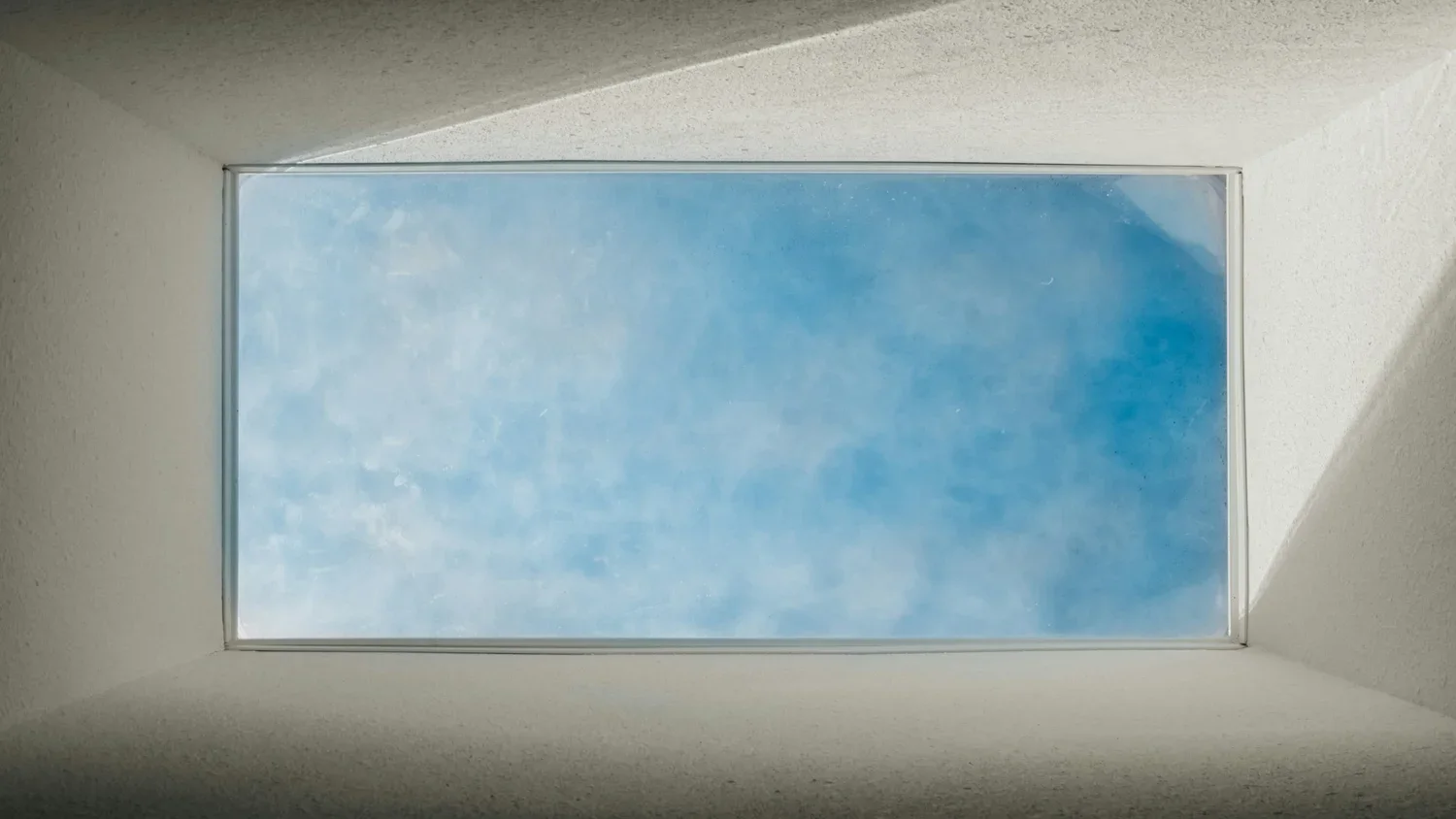
Skylights and tubular daylight devices can reach internal halls, bathrooms and laundries. Their size, orientation, shaft, glazing and shading affect light and heat. A large unshaded skylight may create glare and summer heat; a deep poorly finished shaft may deliver less light than expected.
Improve windows as a system
Check frame condition, seals, glass, shading, opening and wall junctions. YourHome guidance explains that glazing size and orientation influence heat gain and loss as well as daylight. Replacement should be assessed with insulation, draught control and shading.
Change layout selectively
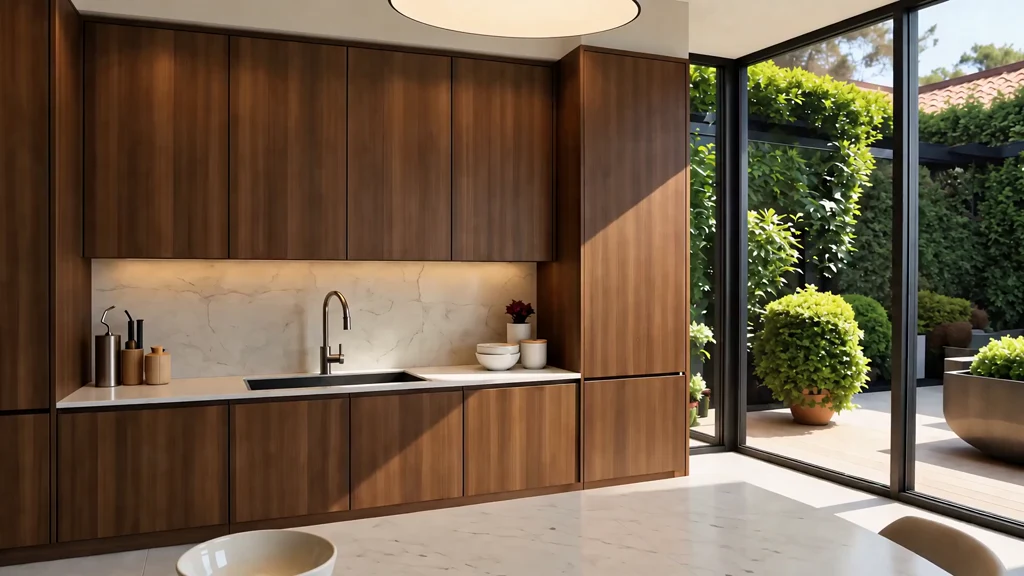
Removing a wall can bring light deeper into the plan, but may remove structure, storage and acoustic separation. Compare a wider doorway or glazed opening. In kitchens, protect wall space for cabinetry and avoid placing the main work surface in strong glare.
Balance privacy and light
Frosted glass, high windows, screens and planting can admit light while limiting views. Obscure glass still changes daylight quality, and external screens can shade more than expected. Test the complete assembly.
Support daylight with good electric light
Natural light varies with time and weather. Use task and ambient lighting to fill predictable gaps rather than forcing one ceiling fitting to do everything. YourHome recommends matching lighting to the task and controlling glare.
Check structure and heritage controls
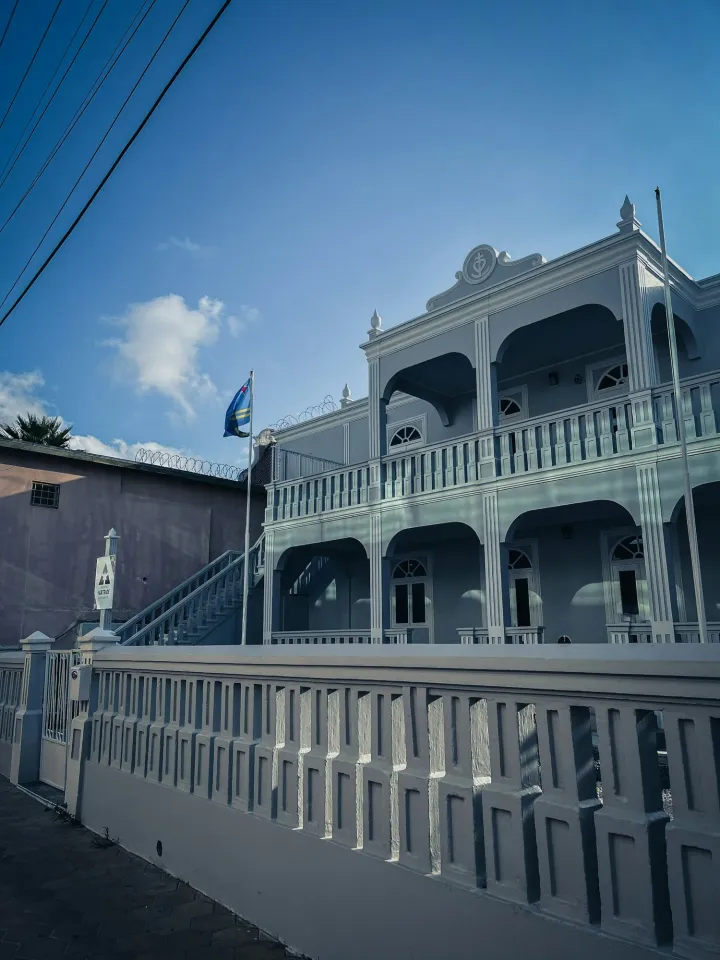
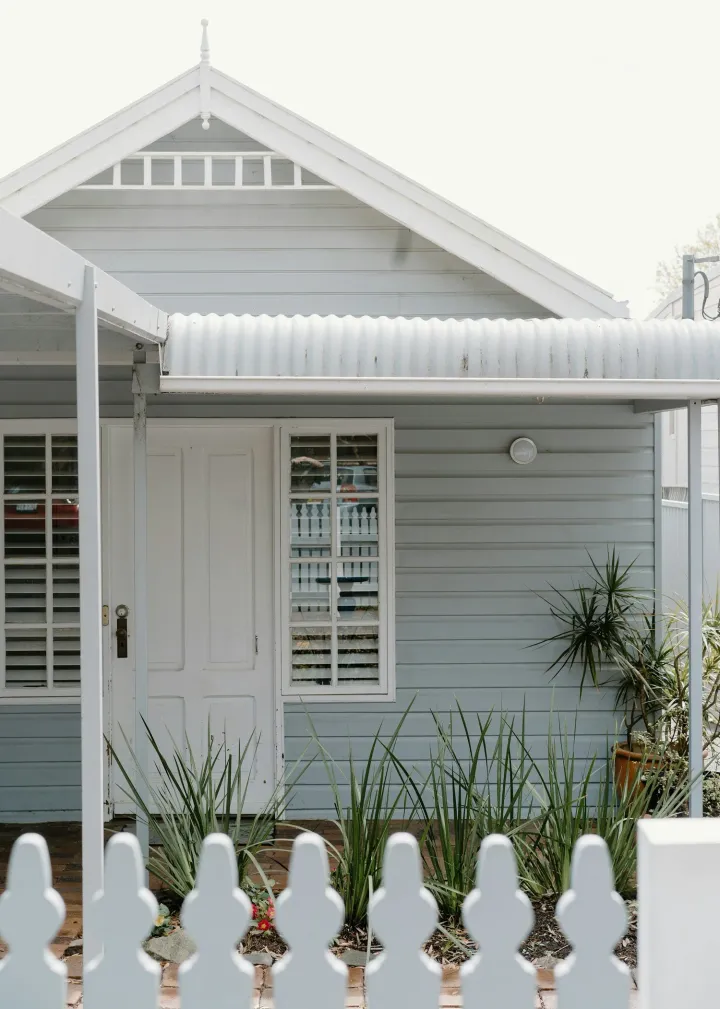
New openings affect framing, weatherproofing and sometimes heritage significance. Heritage Victoria recommends retaining key features and original fabric where possible. Confirm property-specific planning and permit requirements before changing windows, roofs or external walls.
Daylight checklist
When and where is light missing?
Can light be borrowed internally?
What heat, glare and privacy does a new opening create?
How does it affect structure, storage and heritage fabric?
What shading and electric lighting complete the solution?
Where Bluestone fits
Bluestone coordinates light with layout, structure, cabinetry and the character of the existing home. See how Bluestone plans renovations.